Bringing care to life

Our videos “bring to life” critical health care information for providers and populations in low-resource settings. Worldwide distribution is achieved at low cost via the Internet and mobile phones.

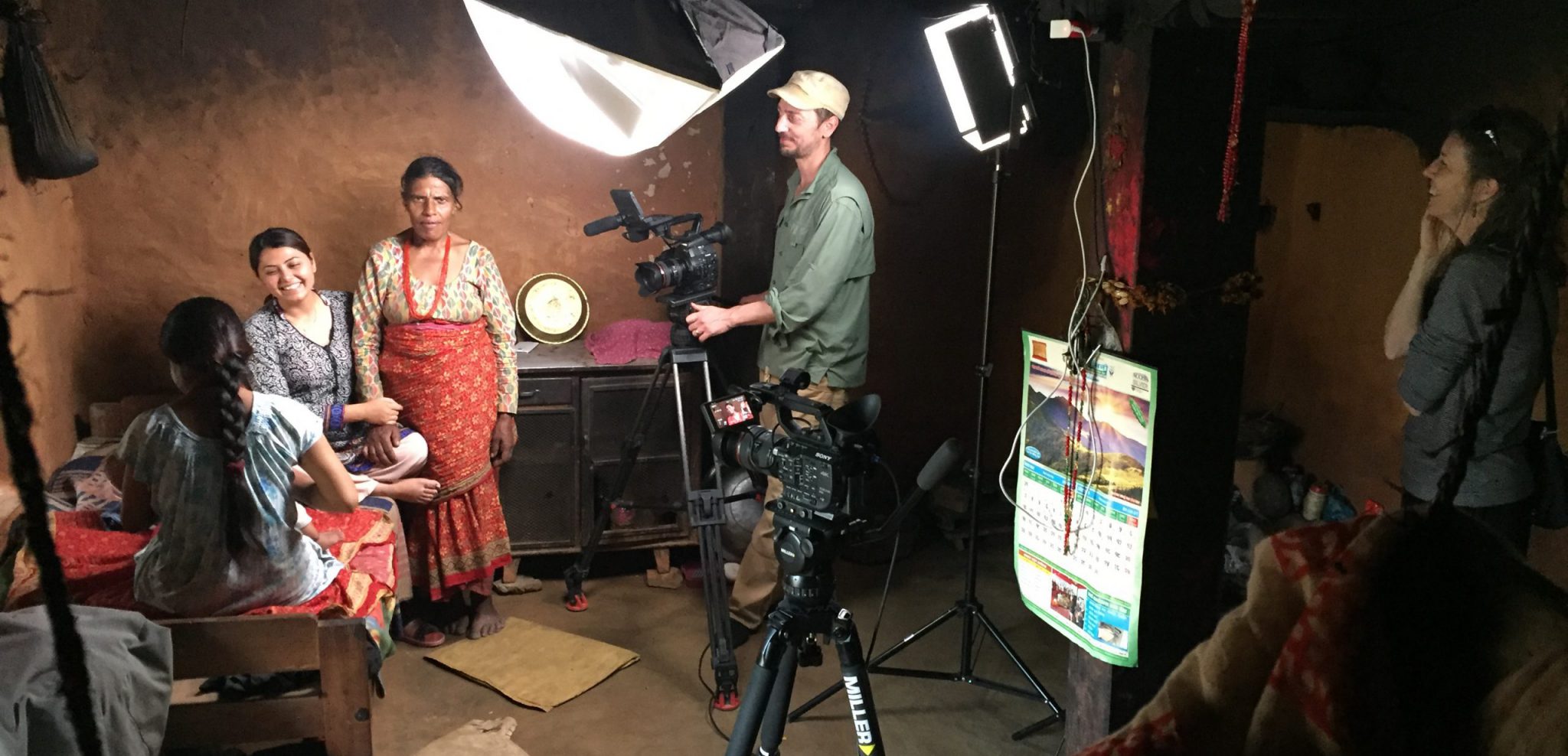
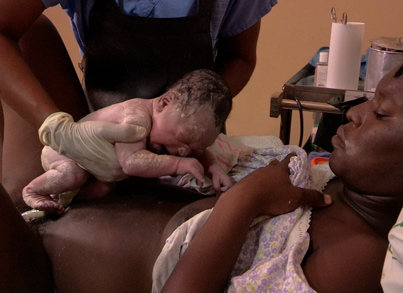
In April,India (5) our film team launched our new video series on childbirth with a film shoot at the United Mission Hospital in Tansen, Nepal. We were awarded a significant grant from The Price Family Foundation to produce this series, which will demonstrate best-practice care from labor through birth and the immediate post-partum period. The childbirth series is an excellent complement to our newborn care series, now at 20 videos with more on the way.

We have idadded four more videos on newborn care best practices to our video library: Skin Infection, The Hot Baby, Breast Engorgement, and Preparing the Birth Room. This expands our newborn care library to a total of 20 videos, more than half of the 36 films planned for this series.

We have just homereleased six new videos on newborn care best practices: Sepsis, The Home Visit, Giving an Intradermal Injection, Jaundice, The Cold Baby, and Thrush. The videos include footage from our most recent film shoot in Nagpur, India—where we collaborated with the Lata Medical Research Foundation—as well as from our previous trip to Nigeria. Content is based on international standards of care, and has been reviewed by global medical experts and field-tested among frontline health workers in developing countries. The videos are free to download for offline use. Four more videos will be coming soon—stay tuned!

Global Health Media wdProject won one of 10 scholarships to present their work at the Women Deliver 2013 Conference in Malaysia, an important conference of world leaders advocating for maternal health. The 10 winners were chosen from 25 semi-finalists, who in turn were selected from an original pool of nearly 3,000 social entrepreneurs competing in the Echoing Green Fellowship Program.

Women Deliver 2013 is also hosting a Cinema Corner at the conference.  One of our newest films—The Home Visit—was selected as a finalist for the three days of screenings. The films sharing this global platform will help the 5,000 participants connect to the issues of reducing maternal mortality and improving access to reproductive health.

The World Healthsteth Organization (WHO) has included our newborn care videos in their Reproductive Health Library (RHL). RHL is an electronic library that features both articles and videos. The content provides practical information for health care workers that will lead to better health outcomes, particularly in developing countries. With the addition of our first 10 videos on newborn care, RHL now has 23 videos to help train clinicians. Spanish versions of our newborn care videos—recently added to our website—will soon be available on the WHO Spanish RHL.

Deb Van Dyke spoke gethealth2at the GETHealth Summit held at the United Nations in New York City on February 7th. She presented our work developing visual training tools for frontline health workers that can be accessed on mobile devices. The Summit brought together health, education, and IT leaders from around the globe to discuss how advances in technology can be leveraged in training health providers in developing countries. The meeting is expected to lead to new partnerships to accelerate improved health care delivery in resource-limited communities around the world. (Watch newscast.)

2012, Amita Sreenivas

2012, Amita Sreenivas

Our next set of videos on the best-practice care of newborns are now being field-tested by frontline health workers around the world. The videos are based on footage shot in Nagpur, India last fall, where we collaborated with Dr. Archana Patel and the Lata Medical Research Foundation. Our film team worked closely with several pediatricians Read the rest of this entry »